
Alaska DUI Records
Alaska DUI records are public documents created when a person is charged with or convicted of driving under the influence under state law. These records span multiple agencies, including the Alaska Court System, the Division of Motor Vehicles, and the Department of Public Safety. Anyone can search Alaska DUI records through free online tools or by requesting official reports directly from state agencies, and this guide walks through each method, what you can find, and what fees apply.
Alaska DUI Records Overview
How to Search Alaska DUI Records Online
The Alaska Court System gives the public free access to case records through CourtView Online, the statewide case search portal. You can look up DUI cases by name, case number, or citation number. Results show charges filed, hearing dates, dispositions, and sentencing details. CourtView covers all trial courts statewide, so one search can pull cases from Anchorage, Fairbanks, Juneau, or any other Alaska court location. No account or login is needed to view public case data.
The CourtView Online Case Search portal is the primary starting point for most Alaska DUI record lookups.
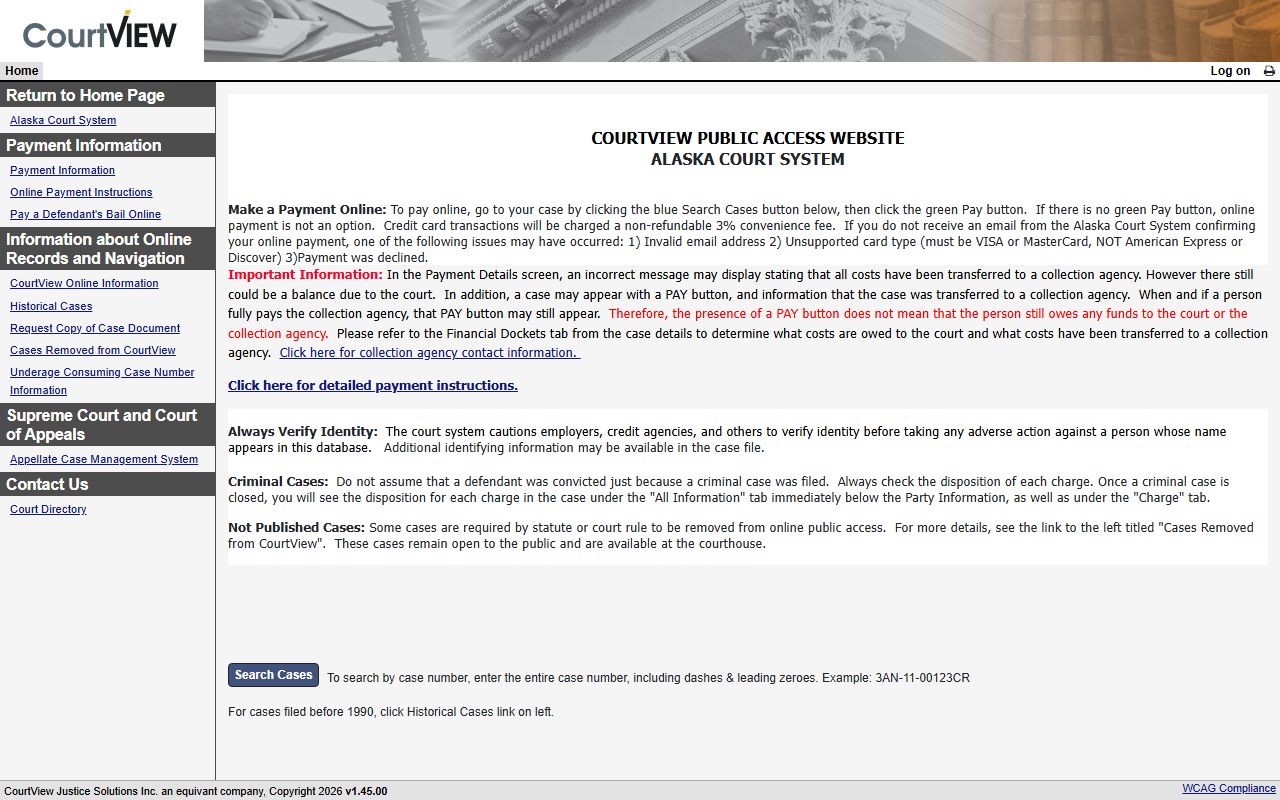
CourtView is free, requires no login, and covers DUI case records from every trial court across the state.
The Alaska Court System's forms page also provides access to DUI-related court documents, including petitions, notices, and reinstatement forms. Many of these forms come up during DUI proceedings and can help you understand what appears in a case record. Court records are public unless a judge has ordered them sealed. If you need certified copies of records, contact the clerk's office in the court where the case was filed. The Alaska Court System main website lists contact details for each court location statewide.
Alaska DUI Laws and Penalties
Alaska defines DUI under AS 28.35.030. A person commits DUI when they drive or operate a vehicle with a blood alcohol concentration of 0.08% or higher, or while impaired by alcohol or a controlled substance. The BAC limit drops to 0.04% for commercial vehicle operators under AS 28.33.030. These limits apply to both breath and blood tests.
Penalties increase with each offense. A first DUI carries a minimum of 72 hours in jail, a $1,500 fine, and a 90-day license revocation. The second offense brings 20 days in jail, a $3,000 fine, and a one-year revocation. The third offense within 10 years is still a misdemeanor but carries 60 days in jail, a $4,000 fine, and a three-year revocation. A fourth or subsequent DUI within 10 years becomes a Class C felony. The minimum for a felony DUI is 120 days in jail, a $10,000 fine, and permanent license revocation. Vehicle forfeiture is possible for repeat offenders.
Alaska also treats test refusal as a crime. Under AS 28.35.032, refusing a breath or blood test is a separate criminal offense and carries the same penalties as a DUI conviction. Implied consent rules under AS 28.35.031 mean that driving in Alaska is treated as automatic consent to chemical testing when an officer has reasonable grounds to suspect impairment. Refusing the test does not avoid a DUI consequence. It adds one.
One fact worth knowing: Alaska DUI convictions stay on your record permanently. The state does not allow expungement of adult criminal convictions. A DUI from 20 years ago will still appear in CourtView searches and on your official DMV driving record.
DMV Administrative Revocation After a DUI Arrest
The DMV DUI Administrative Revocation page explains how the Division of Motor Vehicles handles license revocation separately from the criminal court case.
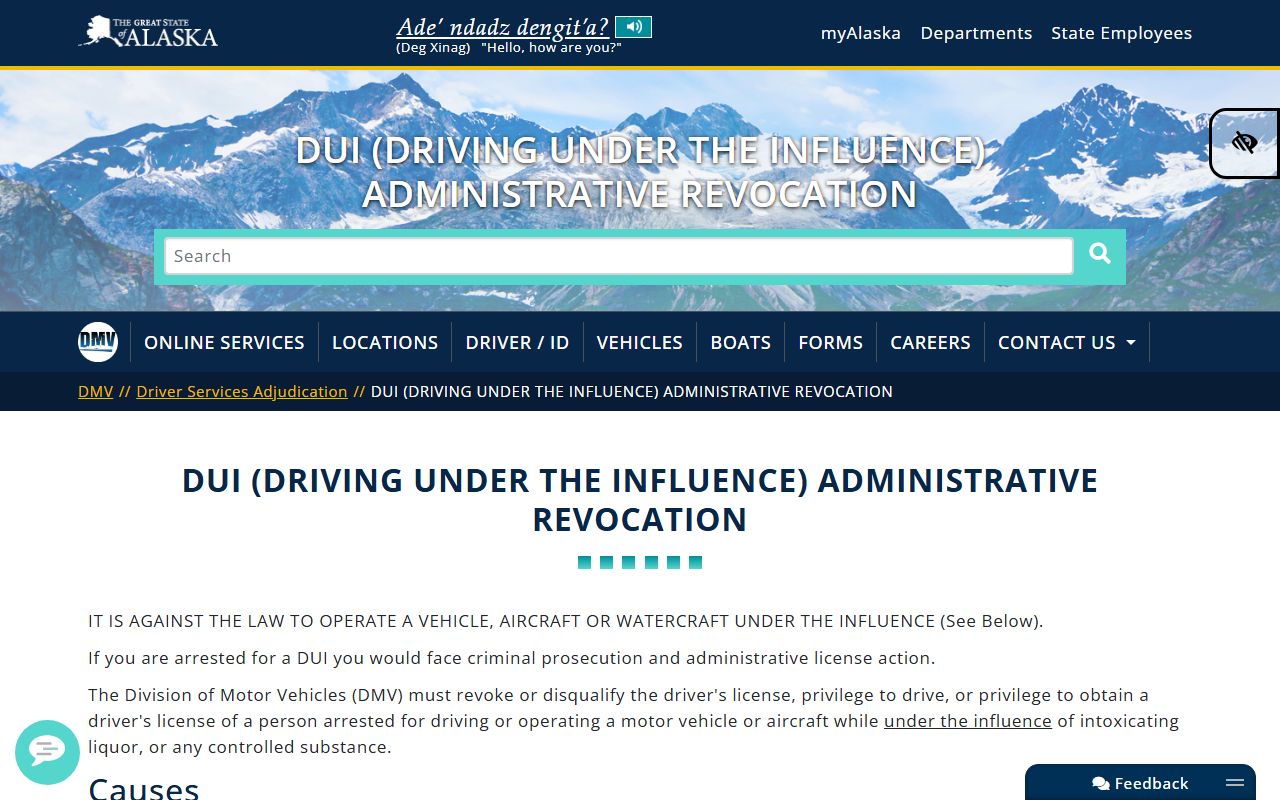
The DMV revocation process runs on its own schedule and does not wait for a verdict in the criminal case.
When an officer arrests someone for DUI, they issue a Notice of Revocation at the scene. That notice acts as a 7-day temporary license. The driver has 7 days from the arrest date to request an administrative hearing in writing. If no request is submitted, the revocation takes effect automatically. Alaska processes roughly 1,100 administrative hearings each year, though studies show that 50 to 75 percent of cited drivers never request a hearing at all.
About two-thirds of Alaska DUI cases are per se violations, meaning the BAC test result alone triggers an automatic DMV revocation. The administrative revocation is a civil matter, separate from the criminal charge. A driver can beat the criminal case and still lose their license through the DMV process, or the reverse can happen. These are two different proceedings with different standards of proof. The DMV Administrative Hearing Information page explains the hearing process in detail.
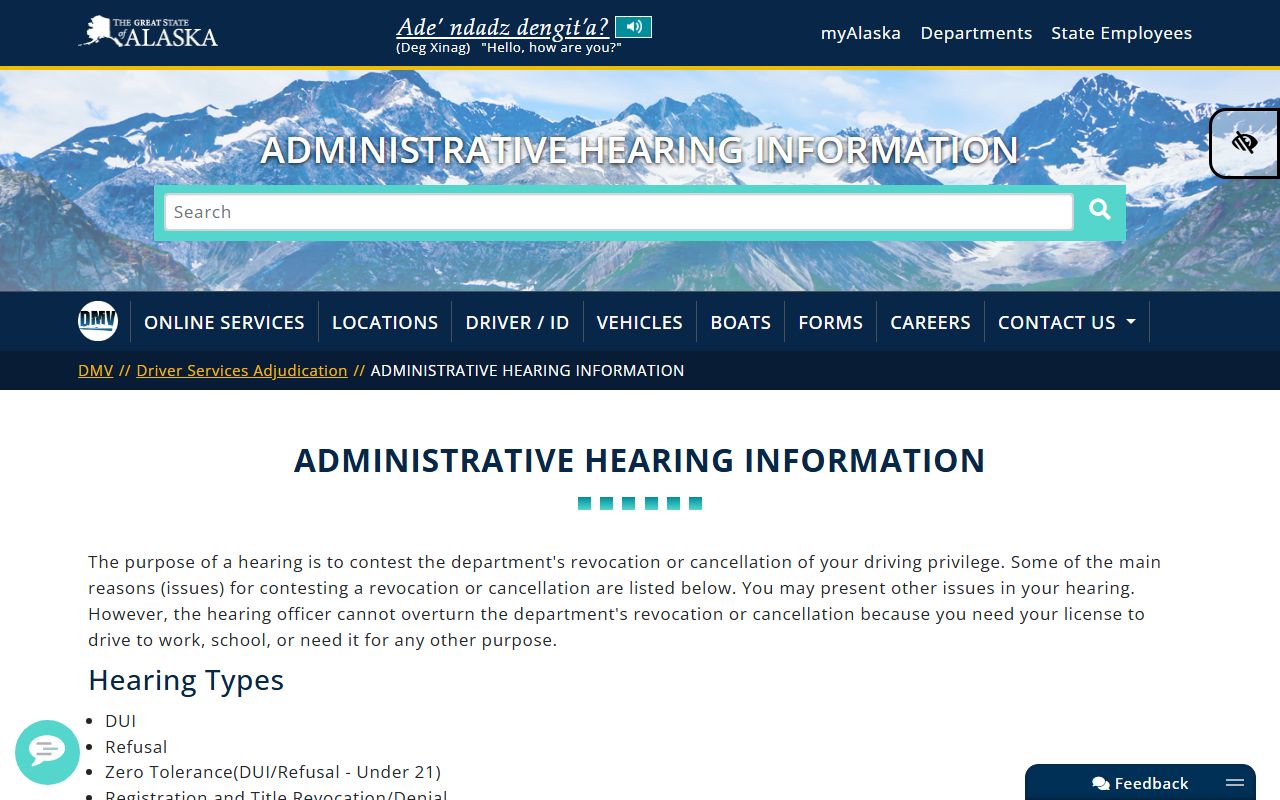
Requesting a hearing does not cancel the revocation automatically, but it gives the driver a chance to present evidence and contest the officer's findings before the revocation takes full effect.
Criminal Records and DUI Background Checks
The Department of Public Safety Records and Identification Bureau handles official criminal history reports in Alaska. These reports are more detailed than CourtView and include arrest records, disposition data, and in some cases fingerprint-verified history.
The DPS Self-Service Background Check portal lets individuals request a copy of their own criminal record online.
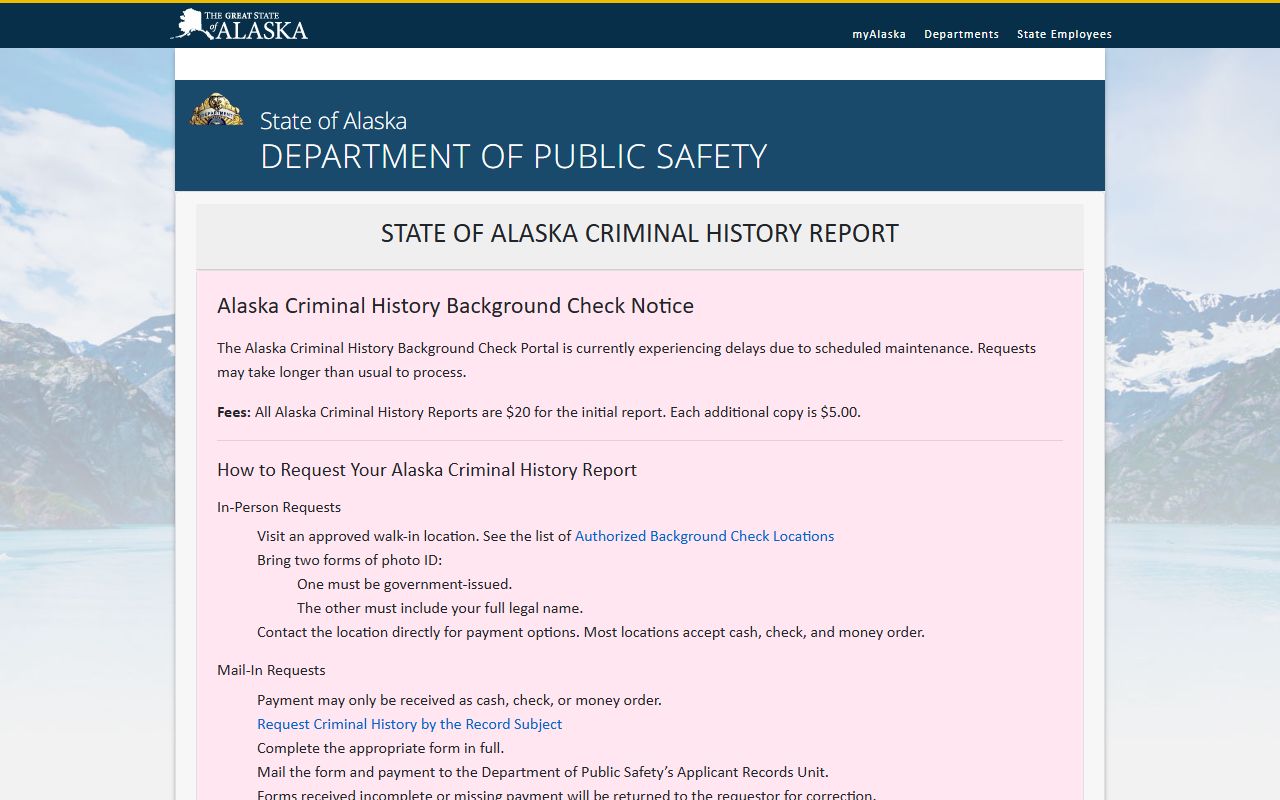
A name-based search costs $20, while a fingerprint-based search costs $35 and provides a more precise match to a specific individual's history.
Name-based searches are faster but can return results for multiple people with the same name. If the record needs to be tied to a specific person with certainty, the fingerprint option is the right choice. DPS sends results by email for self-request searches. Third parties seeking records about another individual must follow a separate process and may face legal restrictions on use, depending on the purpose of the request.
DUI Court Records: What They Contain
A DUI court record in Alaska typically includes the charging document, all court hearing dates, motions filed by both sides, any plea agreement, the verdict or dismissal order, and the sentence. For jury trials, the record may also include jury selection materials and verdict forms. If the defendant appealed, the appellate record is separate and held by the Alaska Supreme Court or Court of Appeals.
CourtView shows a summary view with case status and the event history. To get the full record with actual filed documents, you need to visit or contact the clerk's office in the court that handled the case. Some documents can be requested by mail. The Alaska Court System court forms page lists the request forms you will need.
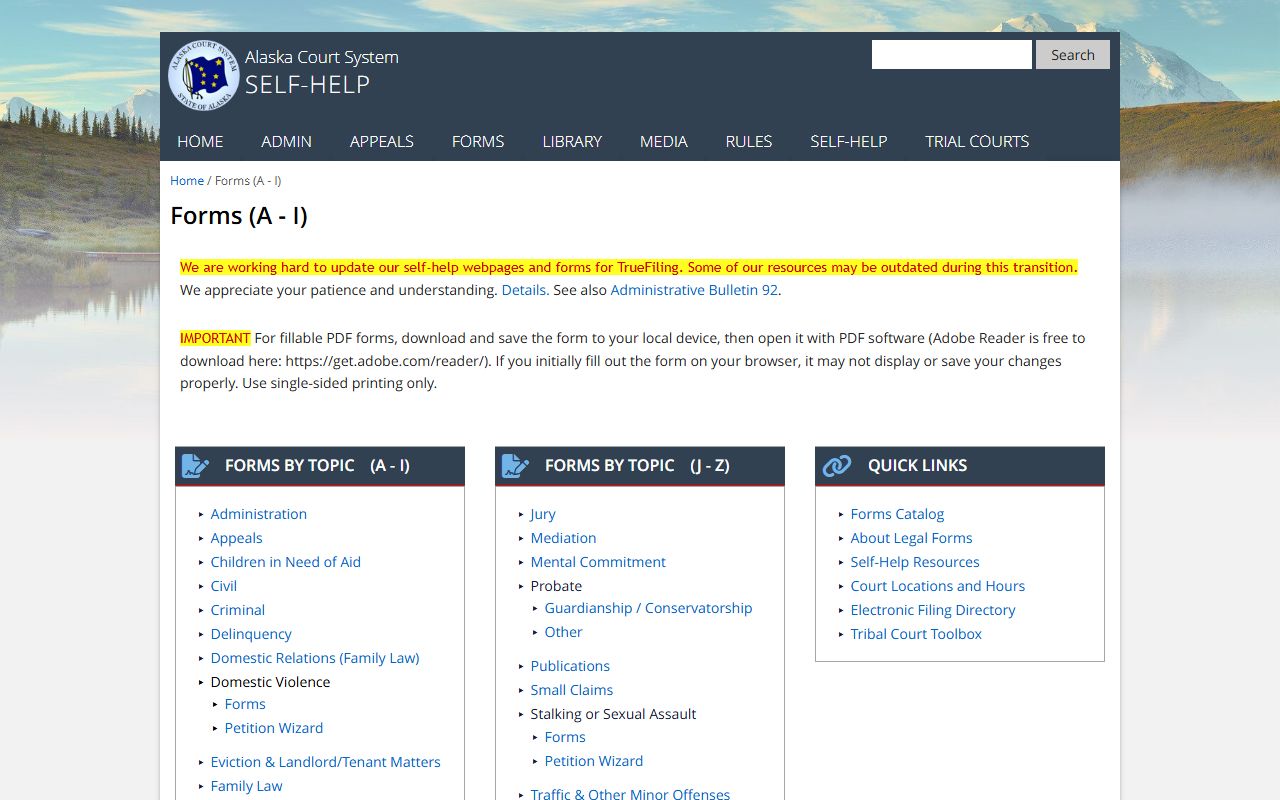
Court forms include petitions for reinstatement, license hearing requests, and other documents tied directly to DUI proceedings in Alaska.
Driving Records After a DUI in Alaska
The DMV Driving Records page explains how to get a certified driving history report from the state.
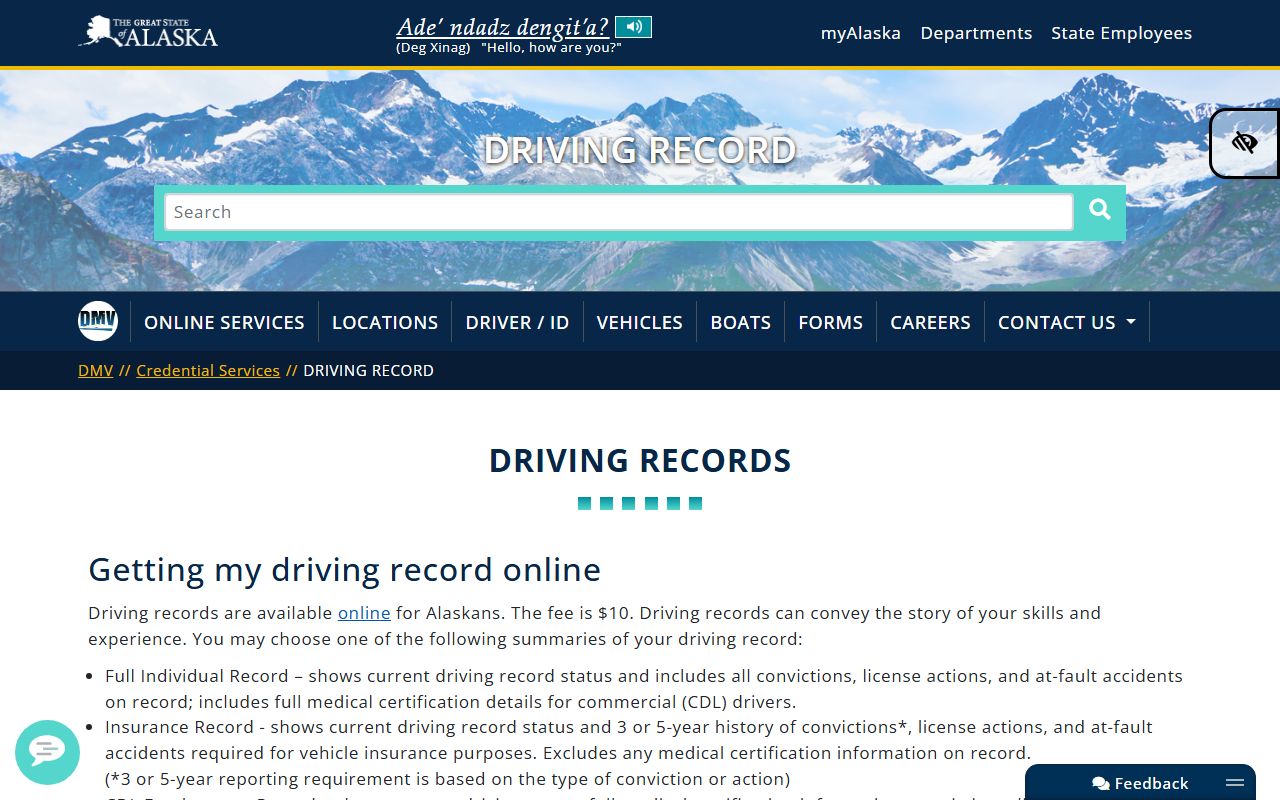
A certified Alaska driving record costs $10 and includes all DUI convictions, administrative revocations, and license actions on file.
Alaska driving records include every DUI conviction, revocation, and license suspension in the driver's history. Because Alaska does not allow expungement of adult convictions, a DUI from many years ago stays on the record forever. This differs from states that purge older entries after a set number of years. If you need proof of a clean driving record, or if something on your record looks incorrect, the DMV is the place to start. You can request a driving record in person at any DMV office or by mail. The record shows dates, offense codes, and the current status of any revocations or reinstatements.
Limited License and Reinstatement After DUI
The DMV Limited License Application page explains how to apply for restricted driving privileges while serving a revocation period.
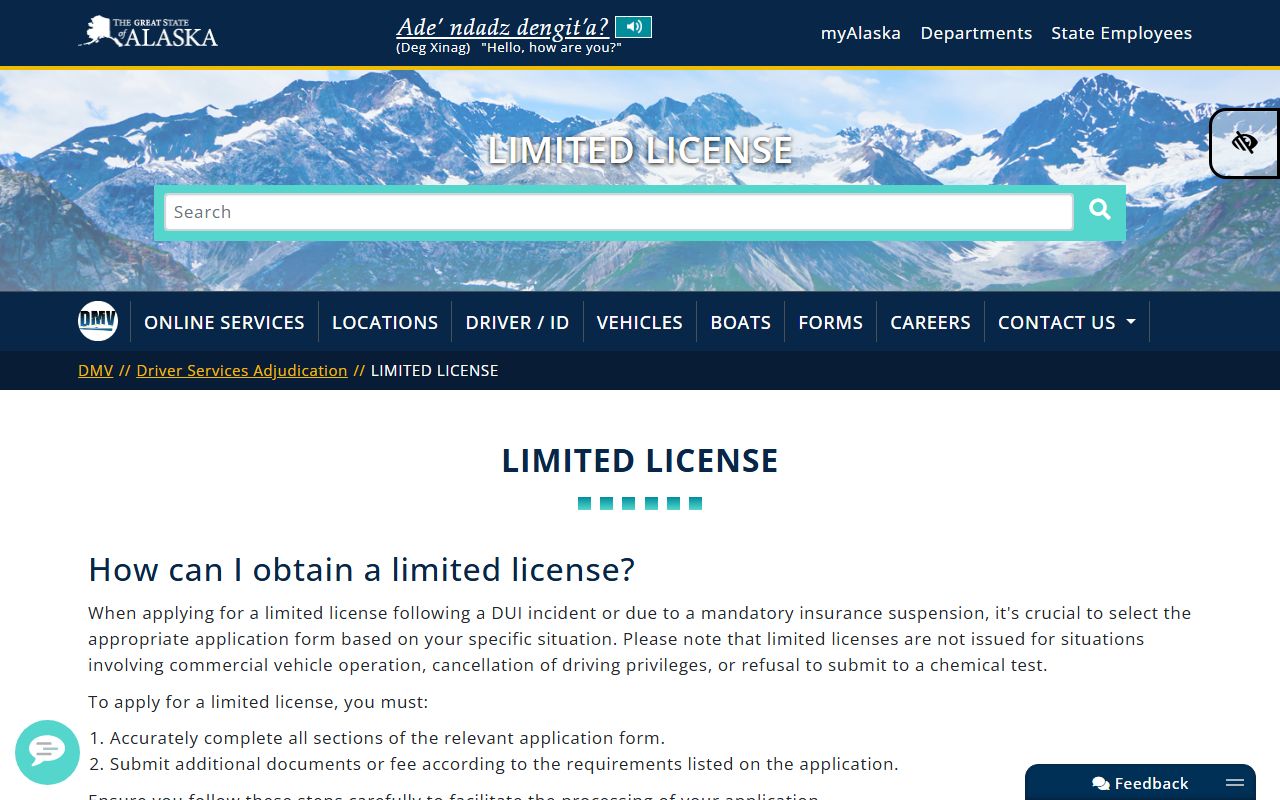
A limited license allows revoked drivers to travel to work, school, or medical appointments under specific restrictions during the revocation period.
Full reinstatement after a DUI revocation requires completing several steps. Most drivers must finish the Alaska Safety Action Program, file an SR-22 insurance certificate, and install an ignition interlock device before the state restores full driving privileges. The DMV Reinstatement After DUI page lists the full requirements.
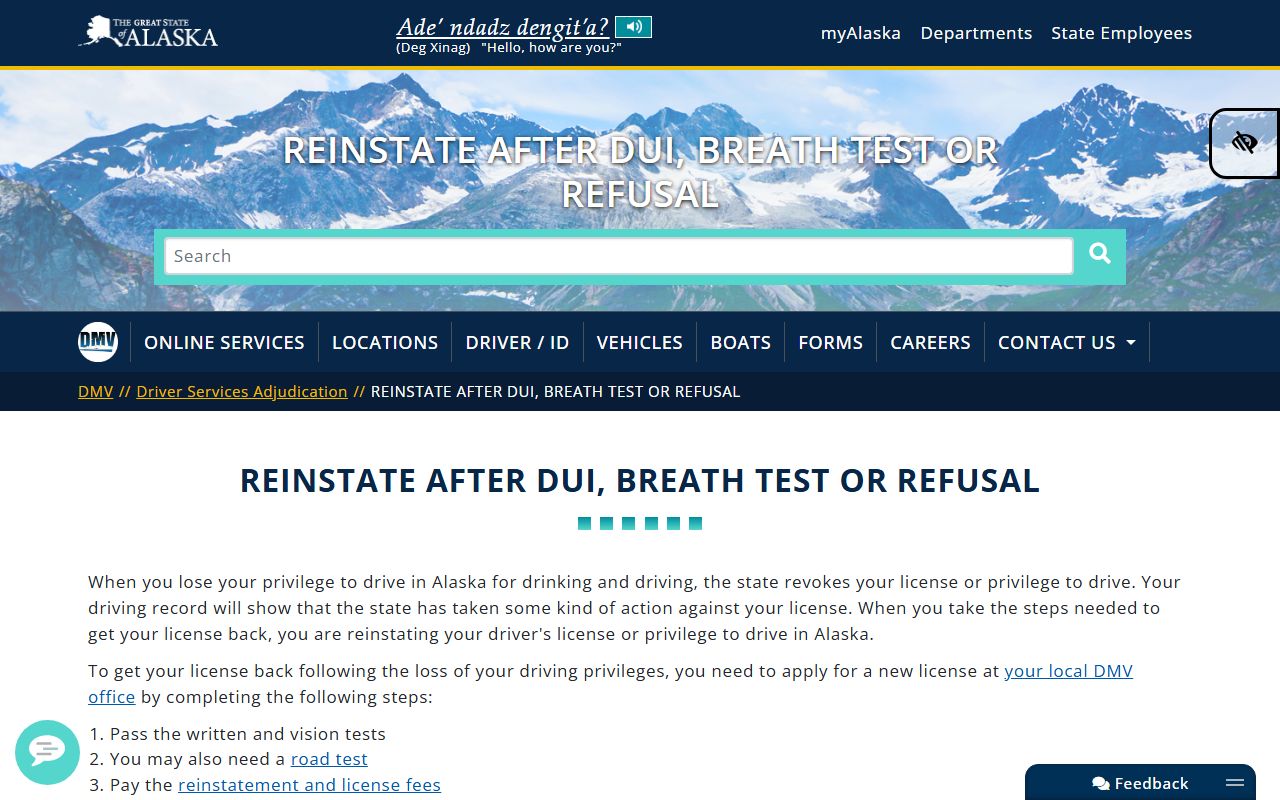
Felony DUI offenders face 60 months of mandatory ignition interlock use after reinstatement, one of the longer IID requirements in the country.
The Alaska Safety Action Program (ASAP) is a state-run assessment and treatment program. Completion is required for reinstatement in most DUI cases. Fees apply for ASAP enrollment and for IID installation and monitoring. First and second offenders face shorter IID periods than felony offenders, but the requirement applies across the board. SR-22 filings must stay active for the required period or the license is revoked again automatically.
DUI Therapeutic Courts in Alaska
Alaska runs specialized DUI courts in six locations across the state. These therapeutic courts offer an alternative path for qualifying offenders, combining treatment, close monitoring, and court supervision rather than standard incarceration and sentencing. The aim is to cut repeat offenses by dealing with the underlying problems that lead to impaired driving in the first place.
The DUI Therapeutic Courts program page lists all active court locations and the eligibility rules for each.
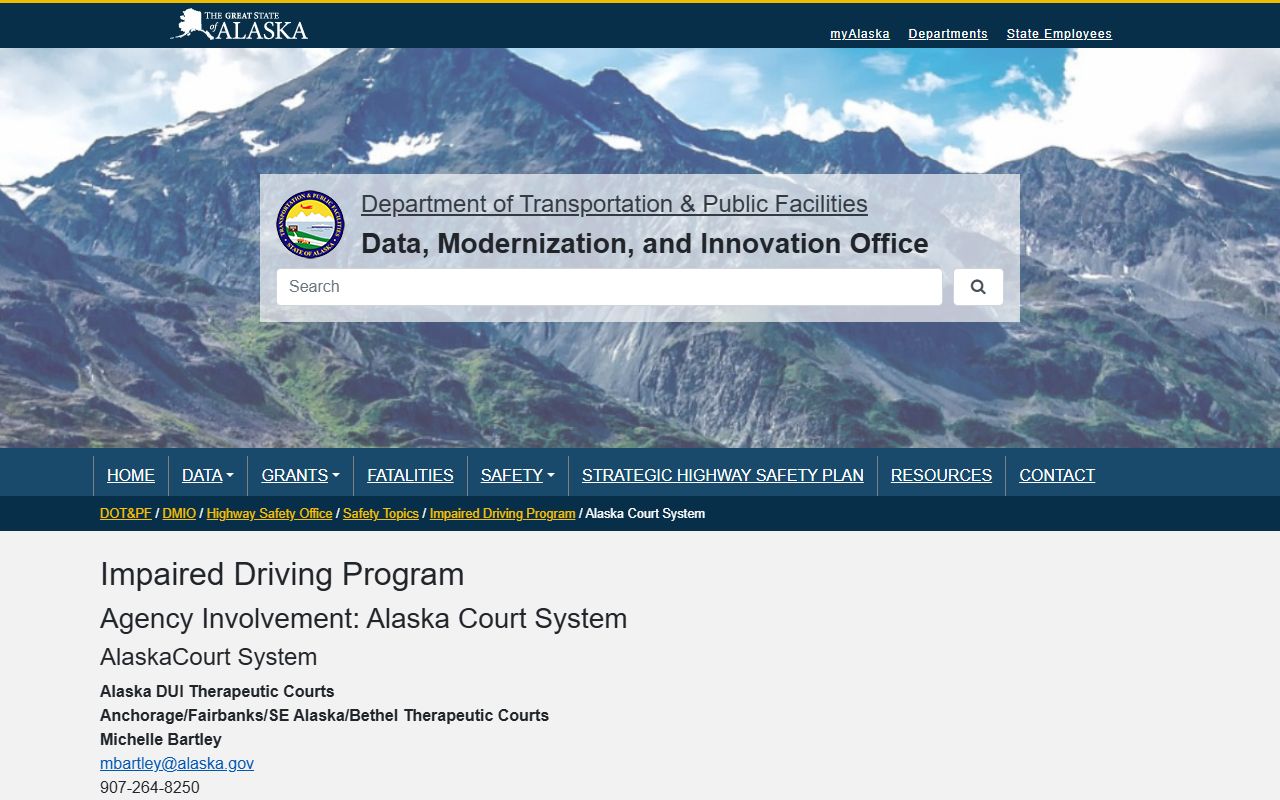
Therapeutic DUI courts currently operate in Anchorage, Bethel, Fairbanks, Juneau, Kenai, and Palmer.
Participants agree to intensive supervision, regular drug and alcohol testing, treatment sessions, and frequent court check-ins. Those who complete the program may receive a reduced sentence or an alternative disposition. Records from therapeutic court cases are still public through CourtView, though the case type and track will differ from standard criminal cases. If you are reviewing a DUI record and see a therapeutic court designation, the record will reflect that alternative path and its outcomes.
Alaska State Troopers Records and Dispatch Data
The Alaska State Troopers Daily Dispatch publishes recent arrest and incident information from troopers working across the state.
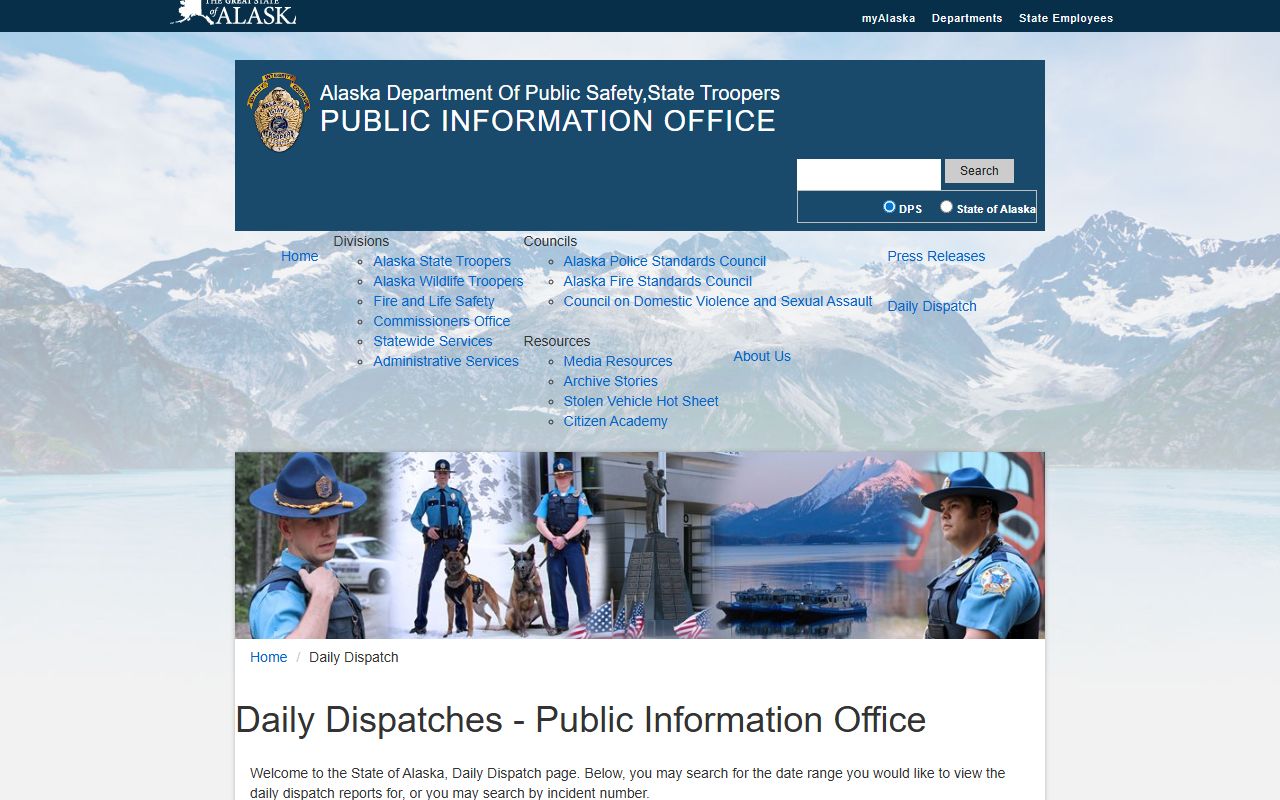
The dispatch log is updated regularly and frequently lists DUI arrests, particularly from rural areas where State Troopers serve as the primary law enforcement agency.
For broader statewide data, the Alaska Criminal Justice Data Analysis Commission publishes annual DUI arrest statistics by borough and city.
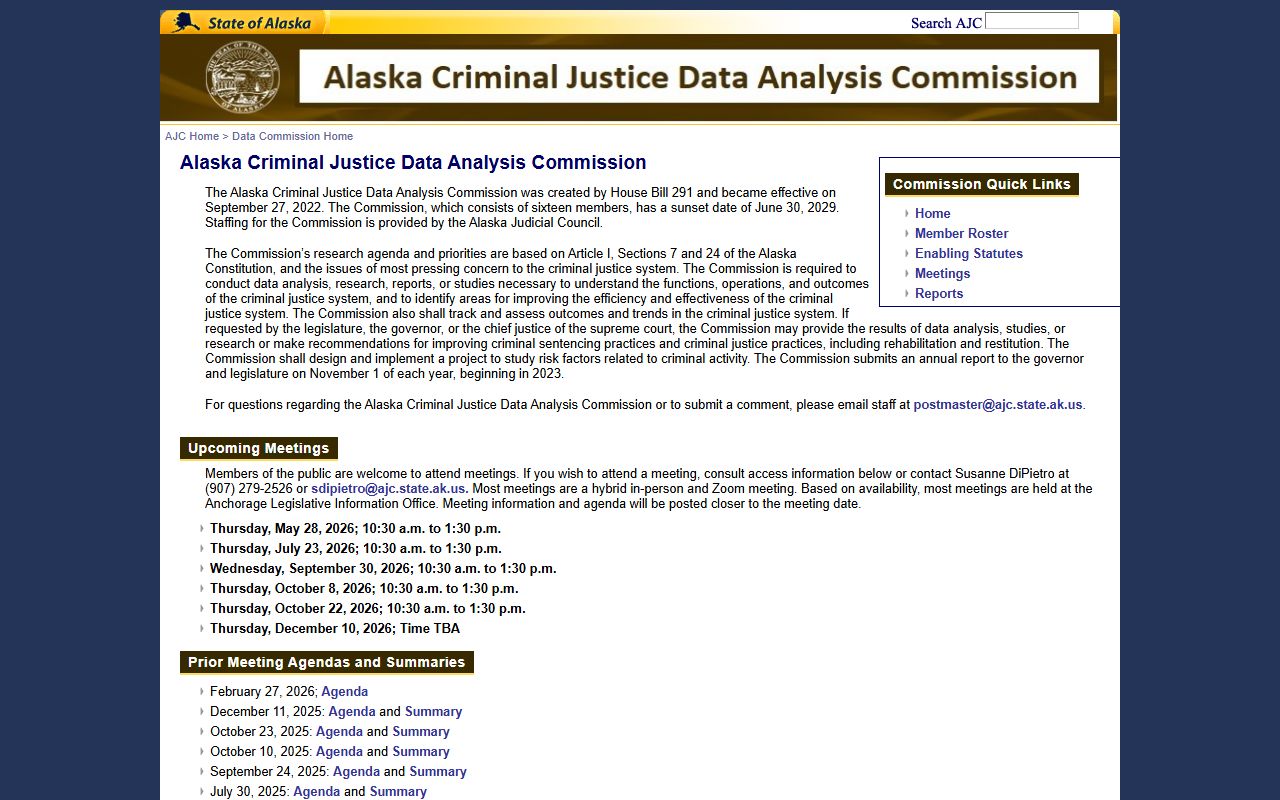
The Commission's reports show multi-year trends in DUI arrests, convictions, and case outcomes across Alaska's boroughs and census areas.
Fairbanks police recorded 1,127 total arrests in 2022. Juneau police logged 1,465 arrests that same year. These figures reflect the scale of law enforcement activity in Alaska's larger communities. For questions about the legal side of DUI prosecutions, the Alaska Department of Law handles serious felony cases statewide.
The Department of Law website includes press releases and information related to major DUI prosecutions handled by state attorneys across Alaska.
Browse Alaska DUI Records by Location
Boroughs and Census Areas
Alaska DUI records are filed and maintained at the borough or census area level through the local courthouse and DMV office. Select a borough below to find courthouse contacts, filing details, and local DUI record access information.
View All 30 Alaska Boroughs/Areas →
Cities
Alaska's major cities each have their own courthouse access points and local DUI enforcement activity. Select a city to find the court and DMV resources that serve that community.